Longhorn Steakhouse Reviews
We set out to evaluate a well-known American restaurant chain that began in Atlanta in 1981. The founders—George McKerrow Jr., George Sr., Bill Norman, and Bill Dukes—built a brand that grew to more than 500 locations and joined the Darden family in 2007.
Our team focuses on clear, useful review details to help you decide if visiting is worth your time. We test food quality and consistency across locations. We also time waits and judge service to ensure transparency.
We assess atmosphere, menu variety, and how reliably each location delivers on expectations. Our approach combines hands-on visits and careful notes so our review reflects the current state of the chain.
Understanding the Longhorn Steakhouse Experience
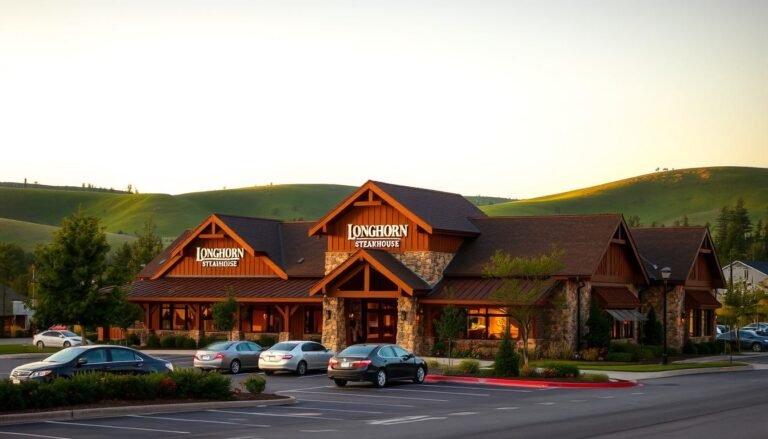
We have watched the brand shift from a rustic saloon and roadhouse vibe to a cleaner, modern Western theme over the past two decades. This evolution kept the core casual dining feel while refining decor and menu direction to match what diners want today.
As a restaurant chain, it aims to balance an upscale touch with a family-friendly tone. In our review, we note how the steakhouse identity now leans into approachable comfort without losing its core menu strengths.
- Design moved from roadhouse to modern Western to stay current.
- The brand remains a casual place that appeals to families and groups today.
- Our review finds the restaurants adapt well, keeping repeat diners engaged.
Understanding that history helps us judge consistency and value. We use that context to provide a fair, practical review for readers deciding where to dine next.
History and Evolution of the Brand
Founded in Atlanta in 1981, the brand began as a single concept created by George McKerrow Jr., George Sr., Bill Norman, and Bill Dukes.
We chart how that initial eatery expanded into a recognizable national chain over the decades. Key shifts in design and menu helped the company stay relevant.
Origins and Growth
The founders aimed to offer a dependable casual dining option with a distinct identity. That focus allowed steady growth through the 1980s and 1990s.
In 2007 the brand joined the Darden restaurant group, a move that accelerated national expansion and operational support.
- Founded in Atlanta, Georgia, in 1981 by four partners.
- Acquired by Darden in 2007, which spurred rapid expansion.
- Now operating at over 500 locations while keeping a consistent identity.
Our review of the chain’s history shows the shift from a saloon-like vibe to a Western-inspired aesthetic was central to long-term growth.
Atmosphere and Restaurant Decor
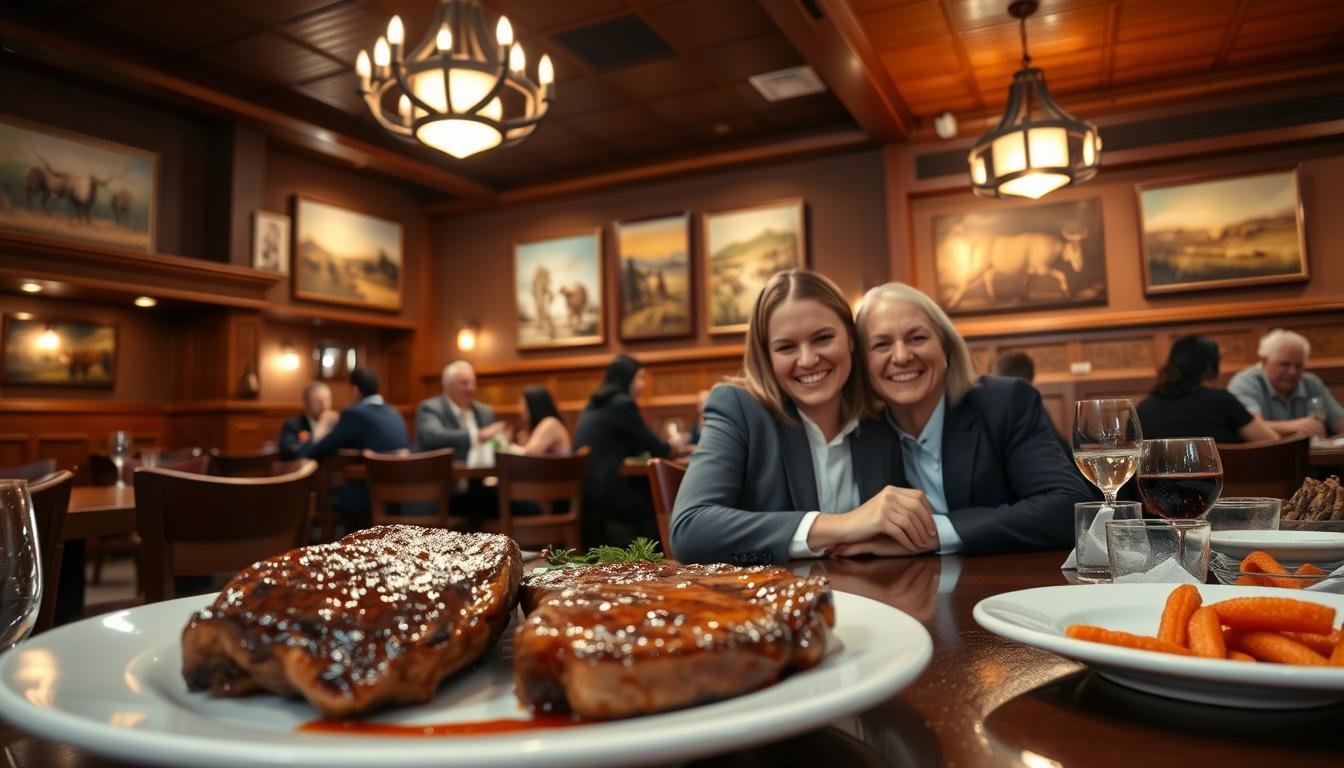
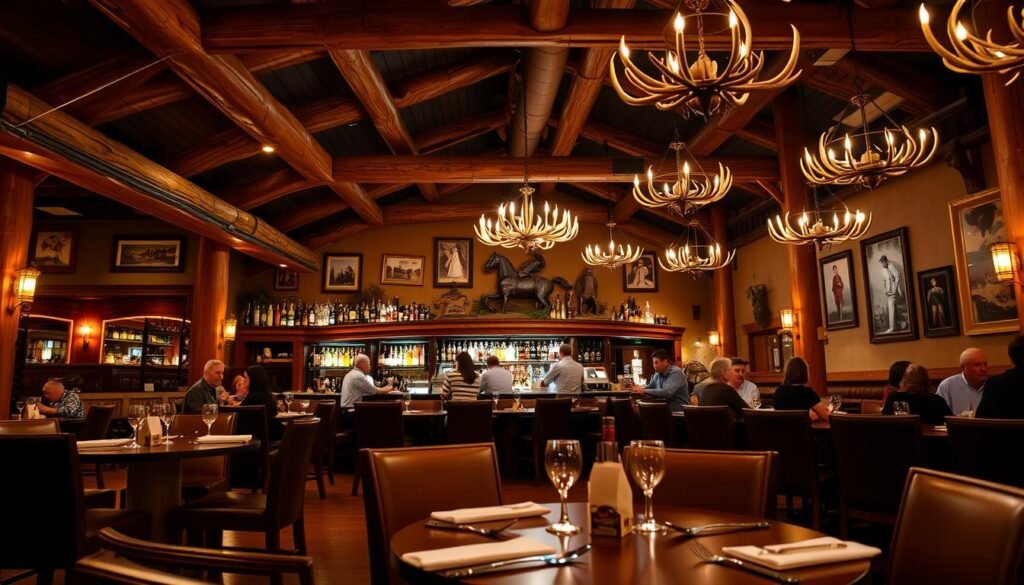
We visited the Airport Blvd location during a weekday birthday lunch to assess the dining environment. The space felt very clean and quietly upscale. It balanced casual comfort with a fine dining touch.
The decor leans into a pop culture Western theme without feeling kitschy. We did not see any of the old peanut-shell-on-the-floor tropes found at some competitors. Wood tones, muted artwork, and small ranch accents create a restrained look.
Each room felt like a modern rustic ranch that welcomes guests in regular clothes. Families and small groups can celebrate without a formal dress code. Subtle decor choices and good upkeep made the atmosphere pleasant and consistent.
| Attribute | What We Observed | Guest Fit |
|---|---|---|
| Cleanliness | Very clean dining room and restrooms | Suitable for celebrations and everyday meals |
| Decor | Subtle Western accents, modern rustic feel | Casual fine dining atmosphere |
| Ambience | Pleasant and well-maintained, moderate noise | Good for family lunches and small events |
Analyzing the Menu and Food Quality
Our tasting focused on the menu’s balance between classic cuts and broader protein choices. We looked at how each dish was seasoned, cooked, and finished for consistent food quality.
Steak Selections
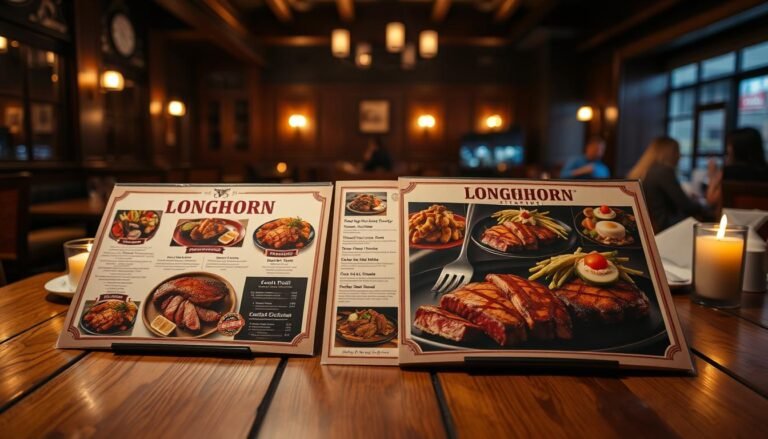
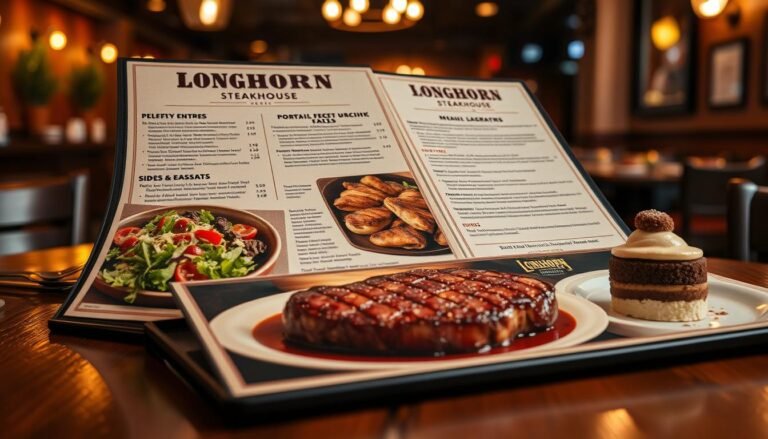
The menu lists ribeye, sirloin, porterhouse, T-bone, and filet, plus signature options like the Flo Filet and the Outlaw Ribeye. Steaks arrived expertly grilled and seasoned, with garlic herb butter available to enhance flavor.
We sampled the sirloin and found it tender and well seasoned. Presentation and finish sauces supported the cuts without masking natural beef taste.
Sides and Appetizers
Appetizers include spinach dip, stuffed mushrooms, and the Texas Tonion. We appreciated the lobster tail and shrimp options for guests who prefer seafood over steak.
Sides such as baked potato, mac and cheese, asparagus, and a fresh salad paired well with mains. Bread was a simple staple that complemented sauces and butter.
- Wide variety of expertly grilled main options.
- Protein choices include crispy buttermilk chicken and baby back ribs for non-steak diners.
- Sides and appetizers add balance for lunch or dinner.
| Category | Examples | Notes |
|---|---|---|
| Steak | Ribeye, Filet, Sirloin | Grilled to order; garlic herb butter option |
| Other Proteins | Shrimp, Lobster, Chicken | Good variety for non-beef eaters |
| Sides | Baked Potato, Mac & Cheese, Asparagus | Complement mains; quality is consistent |
The Viral Parmesan Crusted Trend
A recent TikTok craze has diners asking servers for a Parmesan crust on many menu items. We watched how the add-on changed orders and saw it appear on steaks, chicken, vegetables, and sides.
In our review, the cheese-based sauce and crisp breading worked best on firm vegetables like asparagus. Brailyn Gomez noted that the topping amplified texture there without masking flavors.
By contrast, the heavy cheese layer smothered the mashed potatoes. On some plates the crust overpowered delicate sauces and the natural taste of the meat.
| Item | Parmesan Fit | Notes |
|---|---|---|
| Steak / steaks | Moderate | Good on bold cuts; may mask mild steaks |
| Chicken | Good | Crusted chicken highlights texture; pair with light sauce |
| Sides (potato, asparagus, bread) | Mixed | Asparagus excels; mashed potatoes can be overwhelmed |
Our recommendation: try the Parmesan crusted add-on sparingly. Use it where the topping complements texture, and skip it when you want the food or sauce to shine on its own.
Service Standards and Staff Interactions
Service performance made a big difference in our review. We recorded how staff handled rushes, orders, and family meals across several visits.
Server Attentiveness
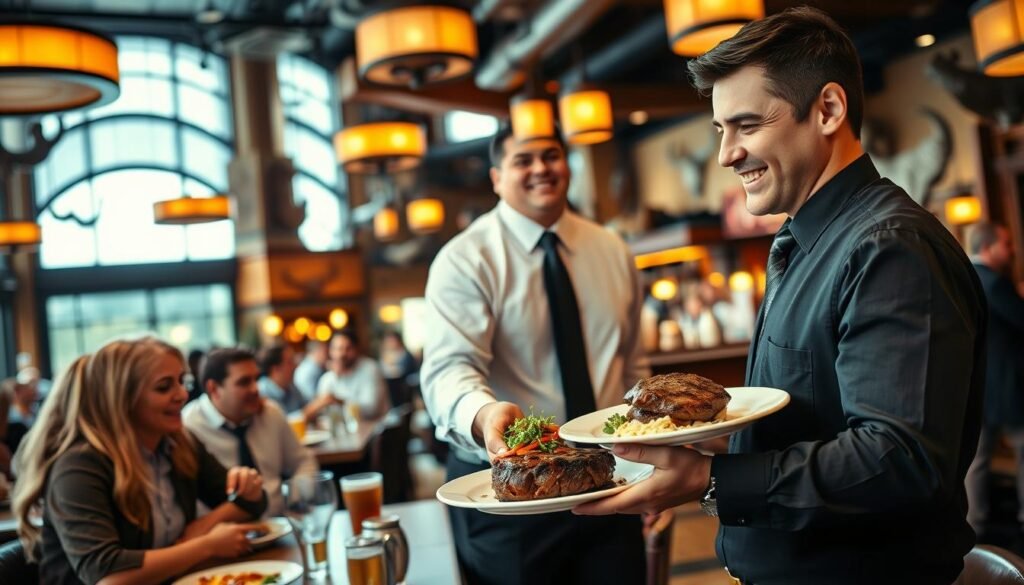
When a server stayed engaged, the meal moved smoothly. Attentive staff checked on food and refilled drinks without prompting.
We saw servers handle complicated requests, like extra shrimp sides, quickly. Clear orders cut down delays and improved the table experience.
Management Competency
Management choices affected the overall visit. In Sheboygan, a manager refused to push tables together for a party of 15 during a family lunch.
That decision fractured the celebration and overshadowed otherwise good food and service at the table.
Communication Failures
Poor communication created the worst outcomes. In Spanish Fork, a group of ten waited over an hour and 45 minutes after being told the wait would be 20–30 minutes.
Inaccurate wait estimates and other missteps hurt the guest experience and appeared in multiple reports we logged in this review.
| Area | Common Issue | Impact |
|---|---|---|
| Server | Variable attentiveness | Fast service improves the meal |
| Management | Seating decisions | Can disrupt family events |
| Communication | Wait time errors | Long waits harm the review |
Navigating Wait Times and Reservations
A misquoted seating estimate turned a planned lunch into a long wait in Columbus, MS. Guests were told 25 minutes but left after 50 because empty tables went unfilled.
We recommend arriving early for lunch, especially on a first time visit. This simple hack improves your chance to get a table and reduces the stress of a late order or slow start.
When the restaurant is busy, the lack of clear order of seating often causes frustration. Staff sometimes fail to communicate who is next, which lengthens the wait and harms the dining experience.
Plan for off-peak hours when possible. Visits outside prime windows usually mean faster seating, smoother service, and a calmer place to dine.
| Issue | Typical Effect | Our Tip |
|---|---|---|
| Inaccurate wait estimates | Longer waits despite open tables | Arrive early for lunch |
| Poor seating order | Guests skipped or delayed | Ask staff to confirm your spot |
| Peak crowds | Reduced attention from staff | Visit off-peak for better service |
Pricing and Value for Money
We tracked menu prices across several visits to see how cost matches quality. Prices for a steak entrée sit near other casual chains, but extras change the final total quickly.
A 12 oz ribeye runs about $27, while an 8 oz sirloin is near $16.50. Add-ons such as butter or specialty sides and a basket of bread raise the bill faster than many diners expect.
For a first time diner, the full menu and prices are listed online, which helps with budgeting. In our review we also flagged customer concerns about precalculated tip amounts tied to after-tax totals.
| Item | Typical Price | Notes |
|---|---|---|
| 12 oz Ribeye | $27.00 | Competitive for the cut; seasoning and grill temperature matter |
| 8 oz Sirloin | $16.50 | Budget-friendly option; pairs well with potato side |
| Extras (butter, sides, bread) | $1–$6 each | Can add 15–30% to the base meal cost |
- Pricing for a steak meal is generally competitive, but add-ons increase cost.
- Value is fair when food quality and service stay consistent.
- Always double-check the final bill for precalculated tips or unexpected charges.
Common Complaints Regarding Business Practices
Several diners reached out with consistent concerns about how final charges are presented. These reports focus on tipping mechanics and how management handles guest issues.
Tipping and Billing Concerns
We reviewed multiple receipts and guest accounts where precalculated tips used the after-tax amount. Many felt this raised the tip beyond what they expected.
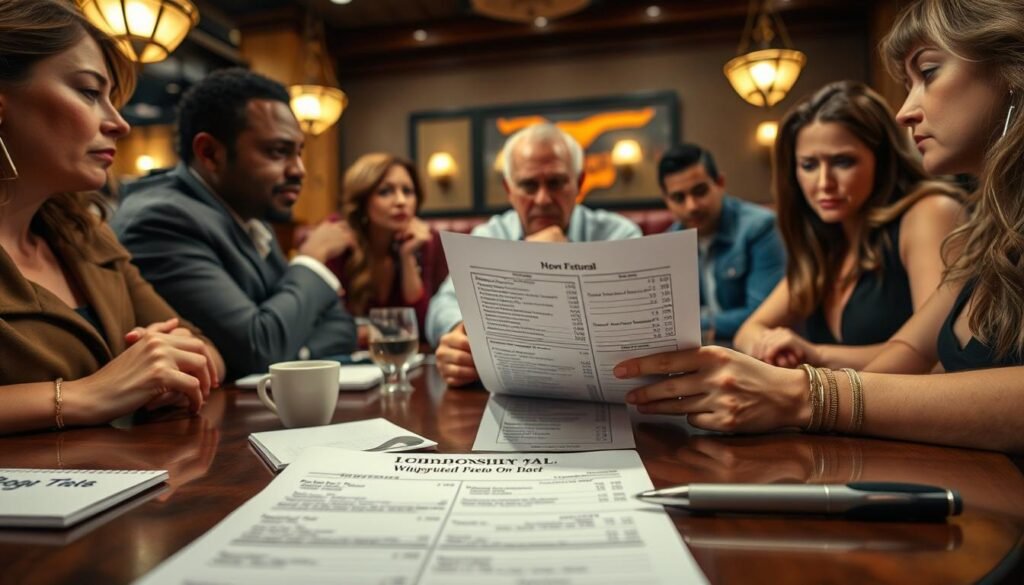
Complaints also name managers who were rude to staff or failed to fix simple operational problems. That behavior impacts staff morale and the speed and quality of service.
| Issue | Reported Effect | Our Recommendation |
|---|---|---|
| Tips calculated on after-tax total | Higher-than-expected charges; guest distrust | Calculate suggested tips on pre-tax amounts; disclose method clearly |
| Manager conduct toward staff | Lower staff morale; inconsistent service | Enforce respectful management training and anonymous feedback |
| Opaque billing details | Guests feel misled on final order cost | Present clear line-item bills and tip options before payment |
Overall, these business-practice issues can hurt the dining experience and the brand’s trust with regulars. In our review, transparency and respectful management stand out as key fixes that would improve food service and guest satisfaction.
Highlights of Positive Dining Experiences
We heard many guests praise standout entrées and consistent cooking. The Flo Filet and Outlaw Ribeye came up repeatedly as crowd favorites.
Cleanliness and a welcoming dining room often set the tone. Visitors noted short wait times at lunch and a tidy table setup that made the meal feel relaxed.
Service mattered. A skilled server who knows the menu boosted confidence and sped orders along. That attentiveness turned good plates into memorable visits.
Small details also made a difference. Fresh bread, crisp salad, and well-prepared mushrooms were mentioned as thoughtful touches. Lobster tail and baby back ribs added occasional luxury for special meals.
- Many guests praise the Flo Filet or Outlaw Ribeye for reliable flavor.
- A great server improved pacing and menu guidance.
- Fresh bread, salads, and perfectly cooked sirloin or ribs rounded out the experience.
| Area | What Guests Noted | Why It Matters |
|---|---|---|
| Food | Filet, ribeye, lobster, mushrooms | Quality items make visits repeatable |
| Service | Attentive servers at lunch and dinner | Faster orders and better guest satisfaction |
| Atmosphere | Clean dining room, short wait times | Comfortable place for family or a quick lunch |
Comparing Longhorn to Other Steakhouse Chains
We compared the chain’s core menu and service to other national steakhouse brands to see where it stands.
Across more than 500 locations the brand keeps a consistent menu. Many diners told us the sirloin and filet often beat similar cuts at other chains, including Texas Roadhouse. That edge shows in cooking and seasoning.
Service tends to be steadier at a typical location. A trained server who knows the menu shortens waits and improves the table rhythm. Consistency here raises the overall dining experience.
The menu variety helps attract more guests. Options like shrimp and chicken, plus salads and sides, let the restaurants serve families and solo diners alike.
- Sirloin and filet quality often rank higher than competitors.
- Service and server training are more consistent across locations.
- Menu breadth—shrimp, chicken, salads—broadens appeal beyond steak lovers.
| Area | How It Compares | Why It Matters |
|---|---|---|
| Food quality | Strong steaks, reliable sides | Consistent meals keep diners returning |
| Service | Steady server performance | Faster turns, better guest satisfaction |
| Menu variety | Shrimp and chicken options | Attracts non-steak diners |
Final Thoughts on Choosing Your Next Meal
Deciding what to order should hinge on taste, wait, and whether the server can guide your choices. In our review, we found that an expertly grilled steak—like a ribeye, filet, or sirloin—turns a simple night into a reliable meal.
Check local wait times before you go so your family can sit together and enjoy bread and starters. Whether you pick parmesan crusted chicken, lobster, or crispy buttermilk chicken, pay attention to sauces and the server’s recommendations for doneness and sides.
Balance mains with a baked potato or fresh salad, and consider baby back ribs or garlic herb butter to elevate the plate. Overall, longhorn steakhouse delivers solid food and menu variety; service varies, but value remains strong for casual gatherings.